You practice on your home board until you know every square inch of it. You know exactly how hard to throw for a perfect push. You've got the slide memorized. You're ready.
Then you walk into a tournament, get assigned court 14, and the boards are completely different. Faster. Slicker. One side bounces weird. Your home-board throw goes long on every shot for the first round and you're down 0–12 before you adjust.
Welcome to tournament cornhole. Here's what's actually happening and how to handle it.
Why Boards Vary So Much
Cornhole boards are "standardized" in size (4' × 2') and ACL rules specify surface materials, but in practice the slide characteristics vary enormously. Reasons:
- Surface age. A brand-new board is faster than a 3-year-old one. Paint wears, sealer wears, the finish dulls and grips more.
- Finish type. Polyurethane gloss plays faster than satin. Marine varnish plays differently from poly. Matte rustic boards grip harder.
- Humidity and temperature. Cold, dry boards are faster. Warm, humid boards are slower and stickier. Outdoor tournaments can have fast morning boards and slow afternoon boards on the same surface.
- Board wear patterns. A board played for 8 hours develops a slightly slicker center lane than edges. First-game players get a different surface than final-round players.
- Paint underlayer. Some boards have raised logos or paint buildup that creates micro-ridges. Your slide skips.
You Don't Get to Choose
Here's what a lot of new tournament players don't realize: you don't pick your court. At check-in, you're assigned. At an ACL event with 40 courts, you might play on 6 different board sets over a day. Each plays differently.
Your "home board throw" is a liability in that environment. You need to throw the board in front of you, not the one you practiced on.
The Pre-Game Board Read
Every tournament player learns to read a board in 2–4 warm-up throws. Here's the checklist:
- Throw 1 — soft push. Where does it stop? Sticky or sliding?
- Throw 2 — normal speed. Does it hit the hole or slide past?
- Throw 3 — check the blocker lane. Will an airmail get blocked?
- Throw 4 — test fast-side vs. slow-side sensitivity. Flip the bag and see what changes.
After 4 throws, you should know within a quarter-speed what this board wants. That's the adjustment you make before the game starts.
Why Bag Speed Choice Matters More Than You Think
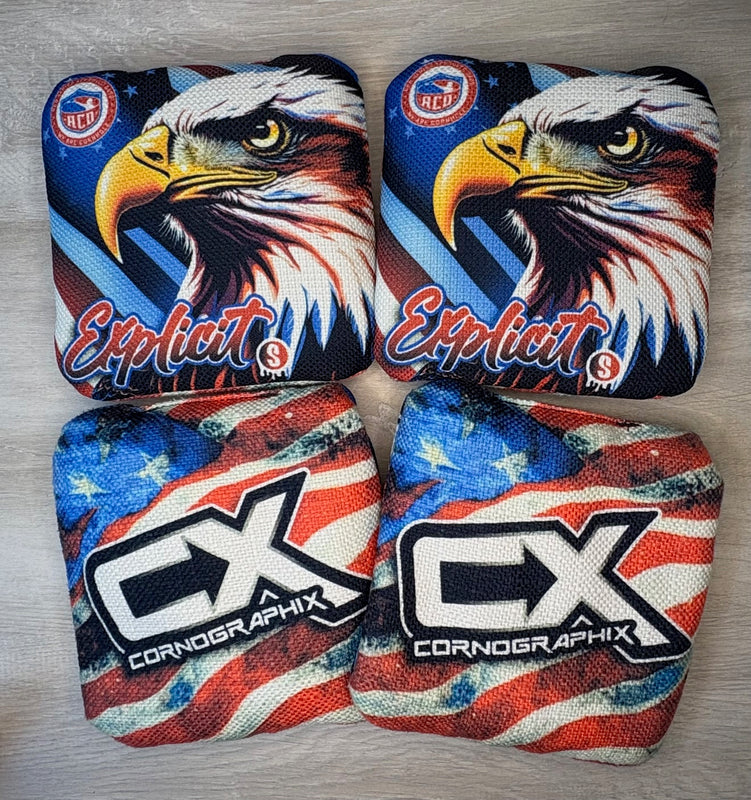
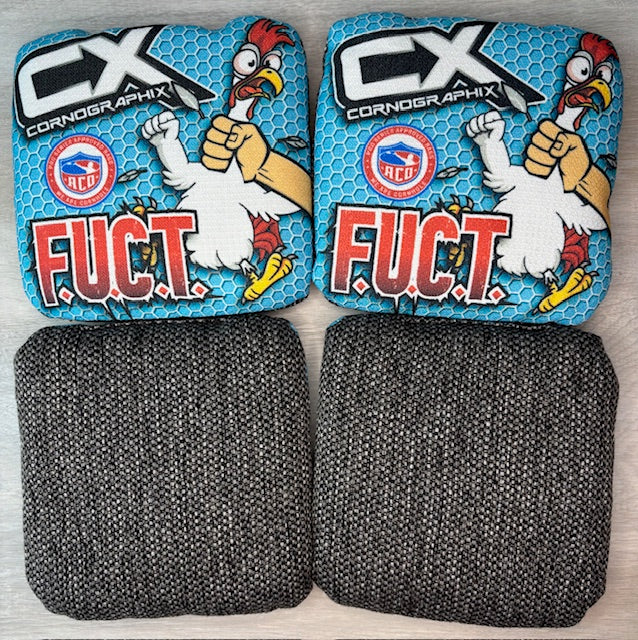
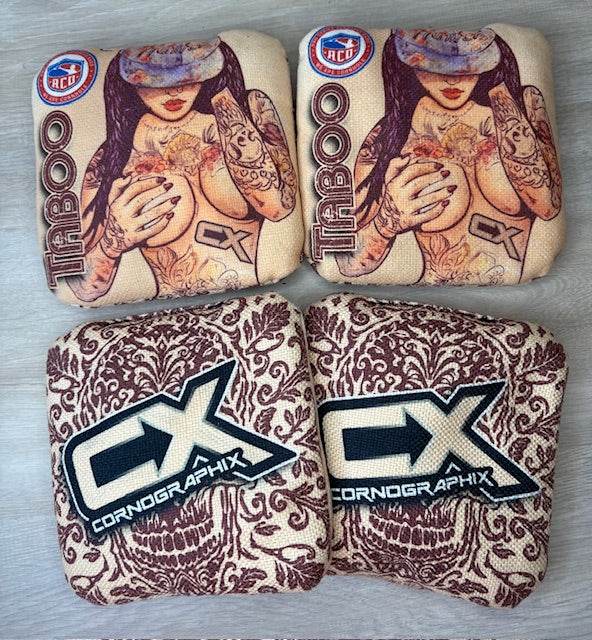
If your bags are speed 7/9 (fast/slow), you can handle a wider range of boards than if they're 4/5. Speed-versatile bags let you use the fast side on slow boards and the slow side on fast boards. Rigid single-speed bags punish you on any board that doesn't match their range.
This is why touring players own bags at multiple speeds. Not because speed is everything, but because they know they'll walk into a tournament and get assigned a board that demands a specific response.
Pro tip: the biggest mistake beginners make is showing up to tournaments with only their favorite home-board bags. You should own at least two speed profiles and bring both to any event.
What About the ACL Approved Board List?
ACL sanctioned events use approved board manufacturers, which narrows the variance — but doesn't eliminate it. Two different ACL-approved boards can still play differently based on age, finish, and conditions. The approved list gets you into the same neighborhood. It doesn't put you on the same street.
How to Practice for Board Variance
If you only practice on one board, you'll develop one throw. Here's how touring players actually train:
- Play at least 3 different boards per week, rotating surfaces intentionally
- Play someone else's boards whenever you can — don't just host
- Practice with both fast-side and slow-side as your lead at the same session
- Play in different weather conditions — humid days train your adjustment muscle
- Track your scoring pattern by board type; you'll find blind spots
The Real Skill
Here's the secret the top players know: bag selection is half the skill. Board reading is the other half. Whoever adjusts faster to the unknown board wins. It doesn't matter that you throw better on your home court if you can't translate that throw to a board you've never seen.
Tournament cornhole isn't won by the most consistent thrower on a familiar board. It's won by the player who adapts fastest to an unfamiliar one.